Why Consumers Are Over Brands Trying (Too Hard) to Be "Cool"
A brand used to be able to drop a trending audio and sprinkle in an all-lowercase "no thoughts, just vibes," and consumers would eat it up.
That time has passed, friends.
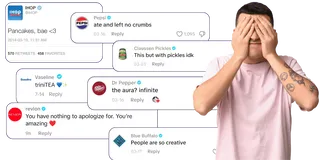
These days, the second a big brand hops on a trend or tries to out-meme a 22-year-old in the replies, the comments section turns into a group chat about how cringe it is. It’s bad news for businesses, and a good reminder that building community is only worthwhile if that community actually likes you.
This isn't about brands being funny or casual online; that's still very much allowed. It's about brands “performing” relatability instead of practicing it, and audiences are done pretending not to notice the difference.
So, what changed?
A few things changed—and none of them happened in a vacuum.
Consumers have gotten a crash course in corporate behavior over the last several years, and they're grading on a pretty steep curve now. When Cracker Barrel rolled out a sleeker, modernized logo as part of a broader brand refresh, the backlash was so swift that the company reverted within the week. The lesson wasn't about the logo so much as it was about consumers watching closely for signs that a brand doesn't understand (or respect) who it's talking to.
That scrutiny has only intensified alongside the broader rollback of corporate diversity, equity and inclusion (DEI) commitments. Since early 2025, major retailers including Target, Walmart and McDonald's have scaled back or eliminated DEI programs, and some of those shifts included ending initiatives specifically built to get Black- and minority-owned products onto store shelves.
For a lot of consumers, especially those from the communities these programs were meant to serve, the anti-DEI shift felt personal rather than procedural, and it's made people far less willing to take a brand's "we're all about community" caption at face value.
Add to that a media environment that rewards ragebait over real substance, and you get an audience that's learned to treat every brand post as a potential performance rather than a genuine statement. Industry analysts have noted that modern consumers expect real two-way dialogue with brands rather than a polished monologue with jokes. A witty tweet doesn't buy trust anymore. Consistency does.
How to actually show up in the comments
Good news: you don't need a comedy writer on retainer. Or a well-written, automated LLM prompt that pulls The Meme of the Week into your social media content pipeline. You need a point of view and the discipline to stick to it.
- Say less, mean more. One thoughtful reply beats five reaction GIFs or two dozen Gen Z slang phrases in the replies.
- Match your feed to your values, not the trend cycle. If you haven't talked about an issue before, don't start in the comments of someone else's viral post.
- Let your team sound like people. Community managers who know your brand voice cold will always beat a scramble to sound "in" on a trend.
- Show up consistently, not just when it's convenient. Support for a cause or community shouldn't disappear the moment it's less popular.
- Be helpful instead of clever. A useful answer in the comments builds more loyalty than a punchline ever will.
Here's the part that should make you smile
This shift is genuinely great news if you're a small business or minority-owned brand that's never had the budget to chase trends in the first place. The brands getting dragged online right now are largely the ones with the resources to overthink their tone and still get it wrong. You, on the other hand, are already close to your customers, already know your community and already sound like a real person online because, well, you are one.
Being "out of touch" was never really your problem. Keep talking to your audience the way you always have, and let the big guys F around and find out that cool was never something you could fake.
Written in collaboration with Claude